California Prepares for Extreme Weather Swings as New Water Year Begins
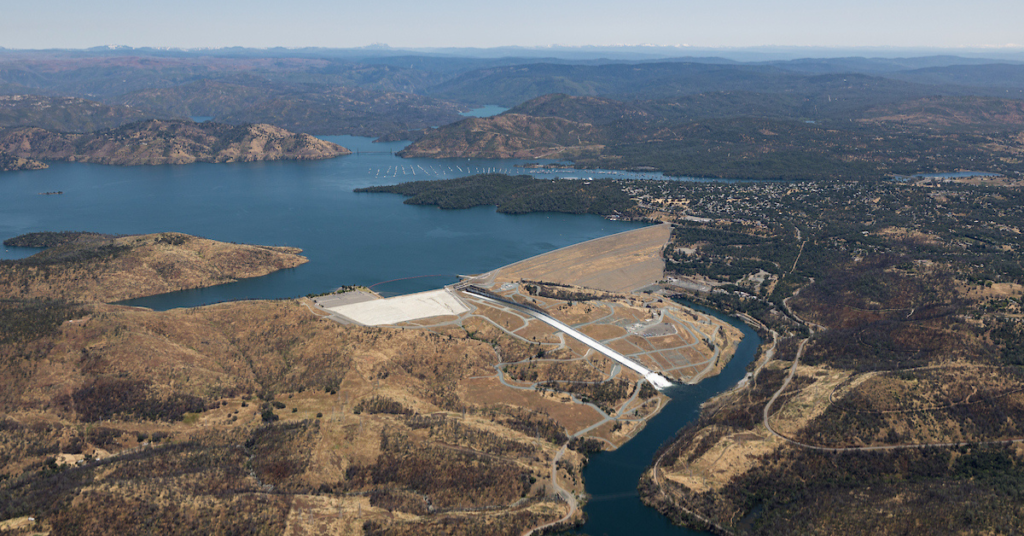
As California begins a new water year, state officials are warning residents to prepare for another cycle of weather extremes. While Lake Oroville, the State Water Project’s largest reservoir, sits at 109% of average capacity, the months ahead carry uncertainty.
The National Oceanic and Atmospheric Administration (NOAA) predicts a 71% chance of La Niña conditions this fall, tapering to 54% by winter. Historically, La Niña years lean drier for California, but climate research shows that when precipitation does arrive, it often comes in the form of powerful storms, heightening flood risks.
The past two winters highlighted the challenge: average statewide rainfall masked extremely dry conditions in Southern California, fueling destructive wildfires, while atmospheric rivers simultaneously delivered damaging floods in other regions. State agencies including DWR, CAL FIRE, and Caltrans coordinated massive watershed protection missions to safeguard communities and water supplies.
Heading into this year, flood preparedness is a top priority. The Department of Water Resources has pre-positioned more than 4.3 million sandbags and 191 flood-fighting supply containers across the state, and emergency meetings with local response teams are already underway.
At the same time, California is tracking promising groundwater storage gains, thanks to recharge efforts during wetter years. Officials emphasize that these improvements will be critical for long-term resilience against climate-driven swings between drought and flood.
California’s official water year runs from October 1 to September 30, a reminder that “normal” no longer exists when it comes to the state’s climate.
