Storms Bring Dramatic Turnaround for Northern California Reservoirs
After a slow and uncertain start to winter, Northern California’s water outlook has shifted dramatically as a series of powerful atmospheric river storms have sent reservoir levels surging across the state.
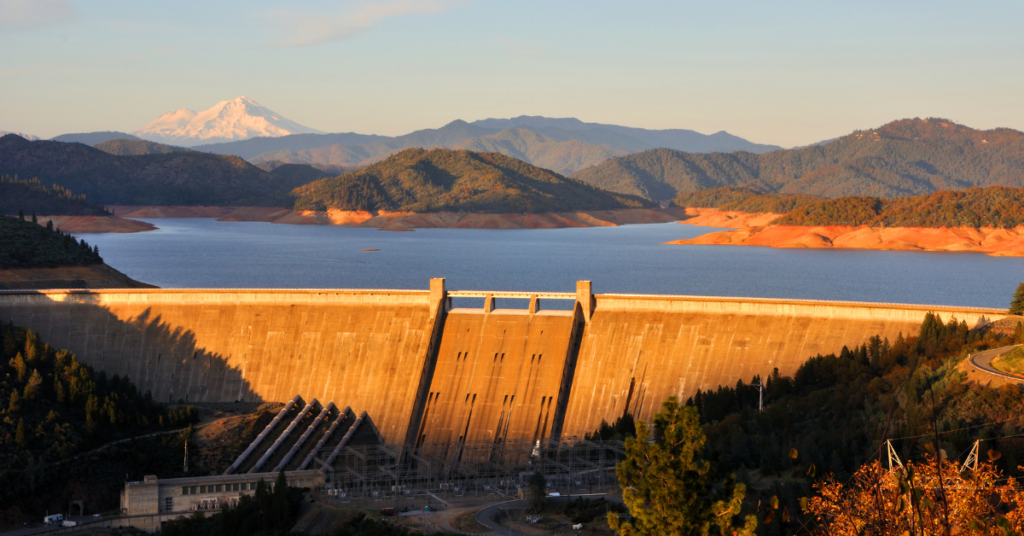
Over the past three weeks, hundreds of billions of gallons of runoff have poured into California’s largest reservoirs, sharply reducing the risk of water shortages this summer. Shasta Lake has risen 36 feet since mid-December and is now more than three-quarters full, which is 13% historical average for this time of year. Lake Oroville has climbed even faster, jumping 69 feet and reaching 74% capacity, which is 135% of historical average.
Together, the two reservoirs have captured roughly 1.6 million acre-feet of water in just three weeks—enough to supply millions of Californians for an entire year.
The rebound isn’t limited to reservoirs. The Sierra Nevada snowpack, which provides about one-third of the state’s water supply, has climbed from just 18% of average in mid-December to around 90% after multiple rounds of heavy snowfall, particularly around Lake Tahoe.
Across the state, nearly every major reservoir is now above its seasonal average. Folsom Lake sits at 64% capacity, which is a whopping 154% of historical capacity. Trinity Lake is at 83% capacity and New Bullards Bar is at 80%, both well over there historical capacity.
Dam operators have begun increasing controlled releases at some large reservoirs to maintain flood protection capacity ahead of future storms. For now, Northern California has avoided major flooding, and forecasts show a stretch of dry weather ahead, an ideal window for water managers to stabilize gains from one of the most productive wet periods in recent years.
After the beginning of the year looked somewhat dire in terms of water storage, the storms to end 2025 and begin 2026 have now brought us into a great scenario for water storage throughout the entire year.
